

Targeting cancer's hidden vulnerabilities with precision
Uncovering and exploiting tumor vulnerabilities in molecularly defined cancers across synthetic lethality, metabolic and epigenetic dependencies, and innovative modalities, such as antibody-drug conjugates, to target drivers of tumor growth and drug resistance.
Prioritizing the biological dependencies that drive hard-to-treat cancers
IDEAYA is strategically focused on four key precision oncology pathways and treatment combinations to build a robust pipeline spanning preclinical and clinical-stage assets.
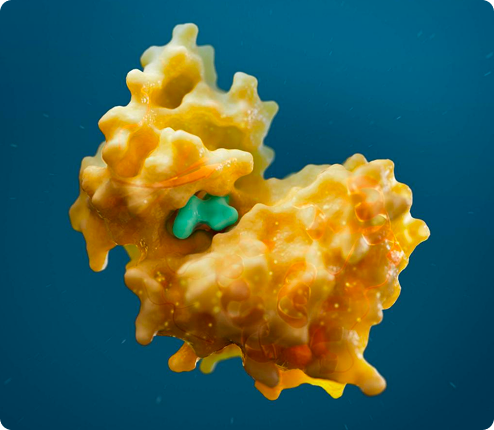
PKC Inhibition in UM
PKC signaling plays a central role in driving uveal melanoma (UM), a cancer distinct from cutaneous melanoma of the skin, yet there are no approved treatments targeting this key oncogenic driver.1,2 Investigational darovasertib, a potential first-in-class PKC Inhibitor, is being evaluated across all stages of UM with the goal of improving outcomes for patients facing this aggressive and difficult-to-treat cancer of the eye.
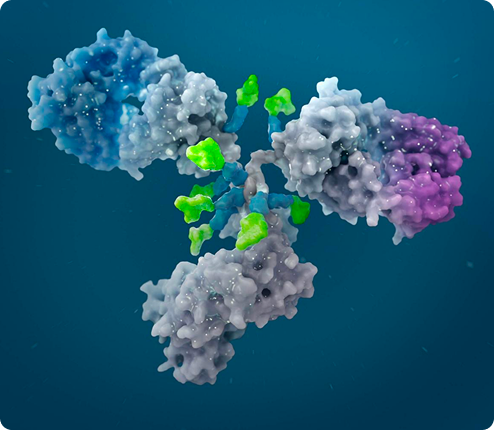
ADC+DDR Combos
Antibody-drug conjugates paired with strategies to inhibit the DNA damage response offer a powerful approach to disrupt how tumor cells evade and survive current treatments and improve outcomes.3 By combining targeted delivery with mechanisms that exploit cancer cell vulnerabilities, these programs aim to enhance treatment efficacy and durability, with the potential to improve tolerability compared to traditional chemotherapy.
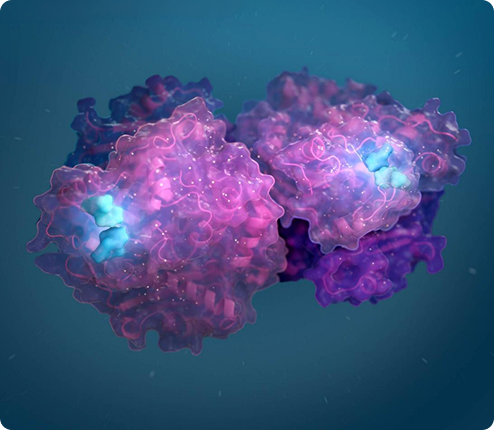
MTAP Pathway
MTAP deletions create a distinct metabolic vulnerability that tumor cells depend on for survival.4 IDEAYA is targeting this dependency through a synthetic lethal approach designed to leverage metabolic stress to selectively kill tumor cells.
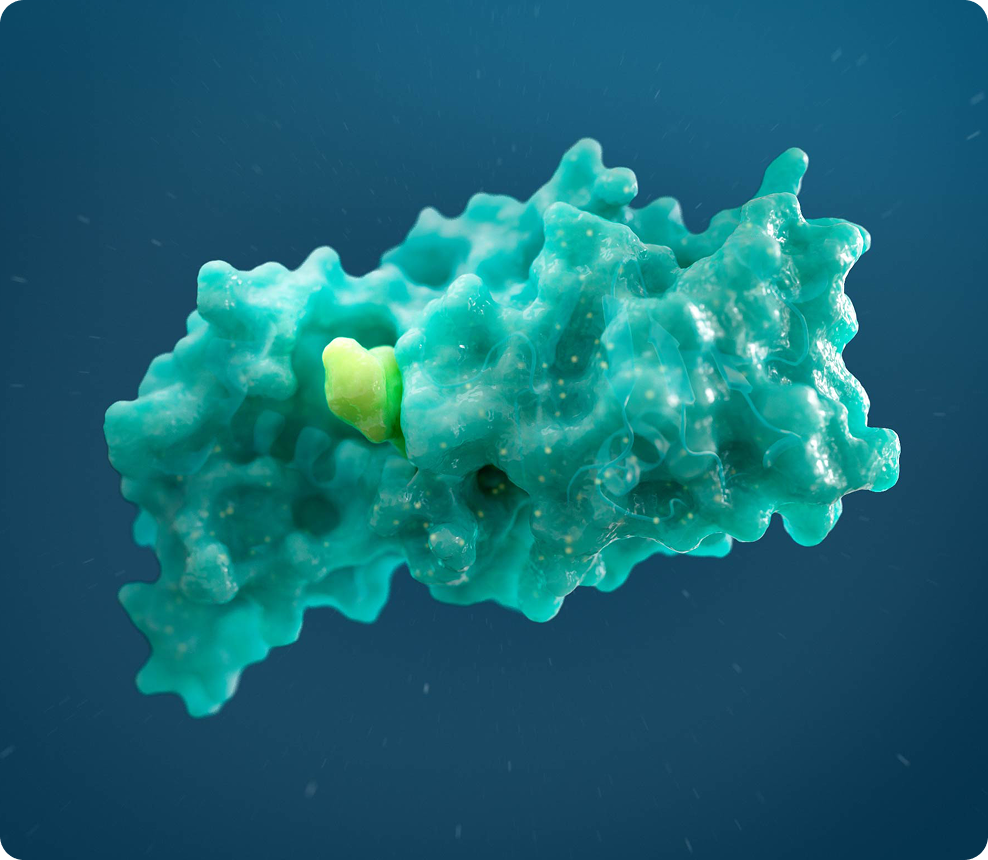
KAT6/7 Inhibition
IDEAYA is targeting epigenetic alterations that fuel tumor growth by promoting the expression of cancer-causing genes. KAT6 and KAT7 are critical epigenetic pathways in cancer, and the dual blockade of these pathways is designed to disrupt and deactivate the gene-expression mechanisms that tumors use to survive and resist existing treatment5 – highlighting a powerful new approach to fight cancer.
Discover IDEAYA



PKC = Protein Kinase C, UM = uveal melanoma